
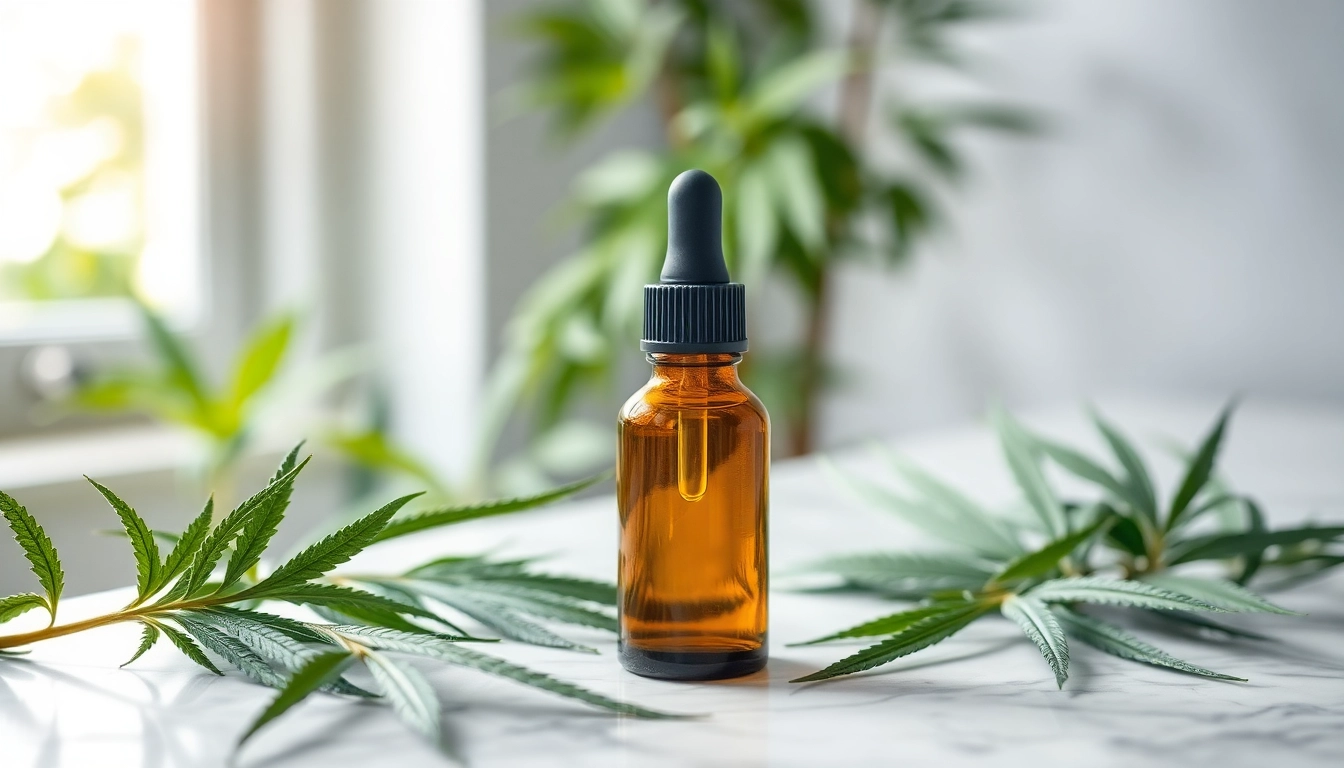
Understanding CBD: Benefits, Uses, and Safety Considerations
What is CBD? An Overview of Cannabidiol
Defining CBD and Its Origins
Cannabidiol, commonly known as CBD, is a naturally occurring compound found in the Cannabis sativa plant. Unlike its more famous counterpart, tetrahydrocannabinol (THC), CBD is non-psychoactive, meaning it does not induce the “high” associated with cannabis use. Extracted primarily from hemp, a variety of the cannabis plant containing only trace amounts of THC, CBD has gained popularity in recent years, especially among those seeking natural remedies for various ailments.
The origins of CBD date back thousands of years, with early uses of cannabis being documented in historical texts from regions such as China and India. However, it wasn’t until the 20th century that scientists began to isolate and study the benefits of individual cannabinoids. This led to advancements in our understanding of CBD’s potential therapeutic effects. Today, CBD is recognized for its numerous applications, contributing to its rapid rise in popularity across the globe. For more information on various aspects of CBD, including its benefits and uses, continue reading.
Differences Between CBD and THC
While both CBD and THC are cannabinoids derived from the cannabis plant, they exhibit significant differences in their chemical structure and effects on the body. CBD is known for its therapeutic properties without the intoxicating effects associated with THC. This is attributed to the way each cannabinoid interacts with the body’s endocannabinoid system (ECS).
One of the primary distinctions is in their psychoactivity: THC binds directly with CB1 receptors in the brain, resulting in the euphoric effects commonly linked to marijuana use. In contrast, CBD does not bind directly to these receptors and instead influences the ECS in a more complex manner, often promoting balance and homeostasis throughout the body. This difference is fundamental in why CBD is favored for medicinal applications, particularly for individuals looking to avoid the psychoactive effects of THC.
How CBD Works in the Body
CBD interacts with the endocannabinoid system (ECS), which is crucial for regulating numerous physiological processes, including mood, pain sensation, and immune function. The ECS comprises endocannabinoids, receptors, and enzymes that work together to maintain homeostasis within the body. CBD enhances the effects of the body’s natural endocannabinoids by inhibiting the enzymes that break them down, thus prolonging their beneficial effects.
Through its interaction with the ECS, CBD can modulate various pathways, potentially influencing several health conditions. Research indicates that CBD may have anti-inflammatory, analgesic, and anti-anxiety properties, making it a valuable component in holistic wellness practices. Ongoing studies aim to elucidate the full extent of its mechanisms and benefits, promising to enhance our understanding of this powerful compound.
The Health Benefits of CBD
CBD for Pain Relief
Chronic pain is a leading cause of disability, affecting millions of people worldwide. Numerous studies suggest that CBD may provide effective pain relief without the side effects associated with traditional pain medications. It is believed that the anti-inflammatory properties of CBD play a significant role in alleviating pain. By interacting with the ECS, CBD can help reduce inflammation, which is often the underlying cause of chronic pain conditions.
Clinical trials have demonstrated that CBD can be beneficial for individuals suffering from conditions like arthritis, multiple sclerosis, and nerve-related pain. One key study found that CBD applied topically significantly reduced pain and inflammation in animal models of arthritis. As more research is conducted on human subjects, many healthcare providers are beginning to consider CBD as a viable alternative or adjunct to conventional pain management therapies.
Managing Anxiety and Stress with CBD
Anxiety disorders affect millions of people, often resulting in debilitating fear or apprehension. Traditional treatments, such as benzodiazepines, can be effective but are often associated with side effects and dependency issues. CBD has emerged as a promising alternative, with studies indicating it may help reduce anxiety levels.
Research shows that CBD can interact with serotonin receptors in the brain, which play a key role in regulating mood and anxiety. A study published in a reputable journal highlighted that participants who took CBD reported significantly less anxiety during public speaking tasks compared to those who received a placebo. This suggests that CBD may help individuals with social anxiety or generalized anxiety disorders manage their symptoms more effectively and with fewer adverse effects.
Potential Benefits for Sleep Disorders
A significant percentage of individuals struggle with sleep disorders, including insomnia and restless leg syndrome. The impact of poor sleep on overall health is profound, leading to increased stress, decreased cognitive function, and a higher likelihood of chronic health conditions. Preliminary research indicates that CBD may improve sleep quality and help regulate sleep cycles.
By reducing anxiety and promoting a sense of calm, CBD may facilitate the onset of sleep, allowing individuals to achieve deeper and more restorative rest. Anecdotal evidence from users also supports this claim, with many reporting improvements in sleep patterns after incorporating CBD into their nightly routines. As researchers explore the full potential of CBD for sleep disorders, it could offer a non-pharmaceutical option for those seeking relief from insomnia and related conditions.
Common Uses of CBD Products
Types of CBD Products Available
The popularity of CBD has led to an explosion of product offerings in the market, allowing consumers to choose formulations that best suit their needs. Available options include oils, tinctures, capsules, edibles, topical creams, and even beverages infused with CBD. Each form has its own unique characteristics, benefits, and methods of consumption.
CBD oils and tinctures are among the most popular, providing versatility in dosages and the ability to be taken sublingually for faster absorption. Capsules offer a convenient and pre-measured approach, while gummies and other edibles cater to those seeking an enjoyable way to incorporate CBD into their routines. Topical products, such as creams and balms, allow for localized treatment of pain or skin conditions. Understanding the different forms of CBD can assist consumers in selecting the best product for their particular needs.
How to Choose Quality CBD Products
With the increasing availability of CBD products, it’s essential for consumers to be discerning when selecting quality items. Start by looking for products that provide transparent lab testing results from third-party laboratories. These tests can verify the CBD content, assess for contaminants, and ensure the quality and purity of the product. Additionally, check for products derived from organically grown hemp, as pesticides and herbicides can diminish the quality of CBD.
Another critical factor is the extraction method used to obtain the CBD. CO2 extraction is considered the gold standard, as it preserves the cannabinoids and terpenes while ensuring no harmful solvents are present in the final product. Lastly, educate yourself about the different types of CBD extracts—full-spectrum, broad-spectrum, and isolate—to choose the formulation that aligns with your wellness goals.
Incorporating CBD into Your Daily Routine
For individuals looking to make CBD a part of their wellness regimen, it may be helpful to start slowly and gradually increase the dosage to allow the body to acclimate. Establishing a consistent routine can enhance the benefits of CBD, particularly for those managing chronic conditions. For optimal results, consider taking CBD at the same time each day, whether it’s in the morning to promote focus or at night to support relaxation and sleep.
Additionally, individuals may find it beneficial to keep a journal to track their experiences and any changes in symptoms over time. This can offer valuable insights when discussing progress with healthcare providers. As with any supplement, it is essential to consult with a qualified professional before beginning CBD, especially for those on other medications or with existing health concerns.
Understanding the Safety of CBD
Potential Side Effects of CBD Usage
CBD is generally well-tolerated, but like any substance, it may cause side effects in some individuals. Common side effects reported include dry mouth, fatigue, changes in appetite, and diarrhea. While these effects are typically mild, it is important for consumers to be aware and monitor their responses to CBD, especially when beginning use.
It is worth noting that no significant overdose cases linked to CBD have been reported, framing it as a lower-risk option compared to many pharmaceutical alternatives. However, continuing to monitor scientific literature and new findings is crucial as more users introduce CBD into their lifestyles.
Drug Interactions and Warnings
While CBD is a promising supplement, it is important to recognize that it can interact with certain medications. Specifically, CBD can inhibit the activity of CYP450 enzymes in the liver that metabolize numerous drugs, potentially leading to increased levels of those medications in the body. Consequently, individuals taking medications such as blood thinners, antiepileptics, or antidepressants should consult their healthcare provider before using CBD.
Moreover, due to limited research on the long-term effects of CBD use, caution is advised, especially for individuals who are pregnant, nursing, or planning surgery. As regulatory bodies continue to study CBD, ongoing updates regarding safety and efficacy will inform best practices for users.
Regulatory Status of CBD Products
The regulatory framework surrounding CBD remains complex, varying widely between jurisdictions. In the United States, hemp-derived CBD products containing less than 0.3 percent THC are federally legal. However, specific state regulations can significantly differ, leading to a patchwork of legality that consumers must navigate.
Furthermore, the Food and Drug Administration (FDA) has indicated that while CBD holds promise, more research is needed to fully understand its effects and potential applications. Quality assurance remains a significant issue, as many CBD products are not rigorously regulated. Consumers should ensure they are purchasing products from reputable sources that provide clear labeling and transparency in their manufacturing practices.
Future of CBD: Trends and Research
Current Research on CBD Benefits
Research into the benefits of CBD is rapidly evolving, with numerous studies underway exploring its potential impact on various health conditions. Recent investigations are focusing on CBD’s anti-inflammatory properties, effects on neurological disorders, and its potential as a treatment adjunct in cancer care. The scientific community is particularly interested in the dosage, delivery methods, and long-term effects of CBD, with emerging findings aiming to provide clarity for both consumers and health professionals alike.
Case studies continue to present anecdotal evidence of CBD’s effectiveness for conditions ranging from epilepsy to PTSD, reinforcing the need for more rigorous clinical trials. As the body of scientific literature expands, the understanding of CBD and its mechanisms of action in the human body will become clearer, potentially leading to more widespread acceptance and integration in healthcare practices.
Emerging Trends in the CBD Market
The global CBD market is experiencing significant growth, with increased consumer interest driving innovation and new products. As more individuals seek natural solutions for health and wellness, trends indicate the emergence of unique formulations, including CBD-infused beverages, beauty products, and functional foods. This diversification reflects a broader shift toward holistic and preventative health measures, as consumers become more conscious of their overall well-being.
With the rise of e-commerce, the accessibility of CBD products has increased substantially. Online platforms provide consumers an opportunity to compare products, read reviews, and access a wealth of information about CBD. This trend indicates a shift toward more informed purchase decisions, as education becomes an essential component of consumer behavior in the CBD marketplace.
Public Perception and Acceptance of CBD
As awareness of CBD grows, public perception continues to evolve. Historically, cannabis-related substances have faced stigma, but increasing research and public discourse around the potential benefits of CBD have contributed to a shift in attitudes. Surveys indicate that a growing number of individuals view CBD positively, associating it with wellness and therapeutic advantages rather than recreational use.
This changing landscape suggests that CBD may become increasingly integrated into mainstream health and wellness practices, paving the way for acceptance in various sectors, including hospitality, fitness, and skincare. Education and advocacy will continue to play a vital role in shaping public understanding and acceptance of CBD as a legitimate therapeutic option for diverse health concerns.