
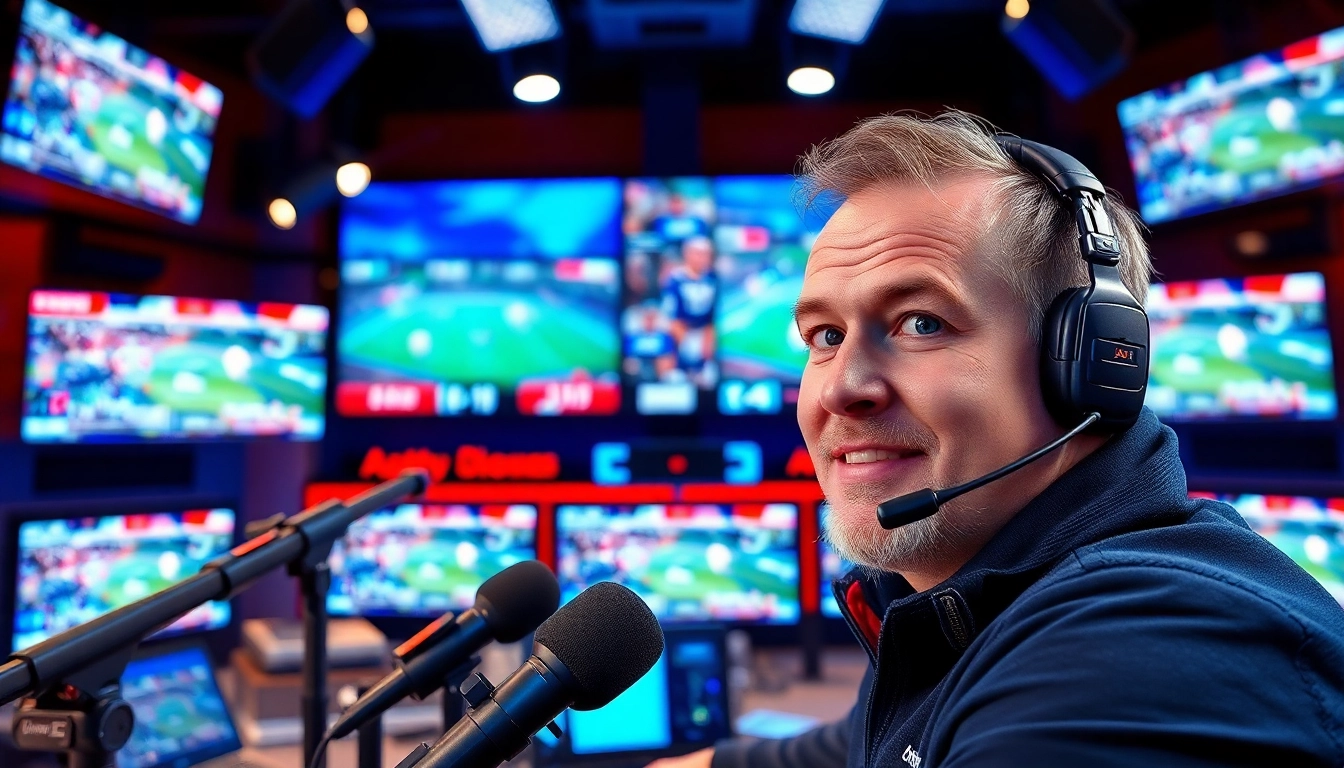
Understanding the Landscape of Sports Broadcasting
As the world becomes increasingly interconnected, the reach and influence of Sports Broadcasting have seen remarkable development. What once primarily consisted of radio and television broadcasts has transformed into a multifaceted digital experience encompassing various platforms, audiences, and technologies. In this dynamic environment, understanding the historical context, key players, and current trends is essential for anyone looking to navigate the complexities of sports broadcasting effectively.
The Evolution of Sports Broadcasting
Sports broadcasting has experienced significant transformation since its inception in the early 20th century. Initially, live sporting events were conveyed through radio broadcasts, allowing audiences to experience the excitement from a distance. The introduction of television in the mid-20th century revolutionized the industry, providing visual coverage and expanding viewer engagement dramatically.
As technology advanced, so did the formats and methods of broadcasting. The 1980s saw the dawn of cable sports networks, offering round-the-clock coverage and specialized programming. This trend exploded in the 1990s and 2000s with the internet, as streaming services began to offer unprecedented access to live sports content.
Today, the landscape includes social media platforms, mobile applications, and even virtual reality experiences. Each evolution introduces new ways for audiences to engage with their favorite sports, making understanding this journey crucial for broadcasters aiming to captivate modern viewers.
Key Players in the Industry
The sports broadcasting industry comprises a diverse array of stakeholders. At the forefront are the networks and platforms that secure broadcasting rights and provide content. Major players typically include national and regional sports networks that air live games, highlight reels, and commentary shows.
Additionally, production companies play a crucial role in creating high-quality content that enhances viewer experience through innovative storytelling and superior visuals. The advent of online streaming services has also increased competition, with newer platforms attempting to carve a niche in the crowded market. Moreover, technology firms are becoming essential collaborators by supplying the sophisticated tools and equipment necessary to push the boundaries of traditional broadcasting, such as advanced graphics and analytics.
Current Trends and Developments
The sports broadcasting landscape is continuously evolving, influenced by technological advancements and shifting viewer preferences. Major trends currently shaping the industry include:
- Streaming Dominance: With platforms like Netflix and Amazon Prime setting expectations for on-demand content, sports broadcasters are increasingly moving towards direct-to-consumer models.
- Personalized Viewing Experiences: Data analytics is allowing broadcasters to tailor content to individual preferences, enhancing viewer engagement.
- Integration of Social Media: Live interactions on social platforms are becoming an essential part of sports broadcasting, enabling fans to participate in real-time discussions and highlights.
- Virtual and Augmented Reality: These technologies are starting to play a vital role in enhancing viewer experiences, providing immersive coverage of events.
Technical Aspects of Sports Broadcasting
Beyond storytelling and viewer engagement, the technical aspects of sports broadcasting are critical components that determine the quality and reliability of transmissions. Understanding how to leverage technology effectively can provide broadcasters with a significant competitive edge.
Broadcasting Equipment Essentials
The backbone of any broadcasting operation is its equipment. Essential tools include high-definition cameras, audio mixing consoles, broadcasting software, and satellite uplinks. Implementing state-of-the-art technology not only improves transmission quality but also enables the seamless integration of graphics and analytics into live broadcasts.
Producers must also invest in redundancy systems to ensure that any technical issues do not disrupt live coverage. This might include having backup power sources, additional cameras, and alternative transmission methods, which can help maintain audience trust during failures.
Software for Streamlining Broadcasts
Modern broadcasts rely heavily on specialized software to manage video feeds, audio mixing, and live graphics. Automation tools are increasingly employed to enhance efficiency, minimizing the potential for human error. Specific solutions enable real-time social media interactions and facilitate overlays during live events, thus keeping broadcasts fresh and engaging.
Additionally, content management systems (CMS) allow broadcasters to curate on-demand content from live broadcasts. This flexibility helps to maintain audience engagement long after events conclude.
Understanding Signal Transmission
Signal transmission involves various technologies, including traditional cable, satellite, and the more contemporary internet-based streaming. Each medium presents unique challenges, such as latency issues and bandwidth limitations. In the age of instant gratification, broadcasters must ensure that their signals reach viewers with minimal delay.
Emerging technologies like 5G also promise to change the landscape dramatically by providing faster, more reliable connections for live broadcasts, enabling new possibilities for remote coverage from even the most challenging locations.
Creating Compelling Sports Content
The heart of any successful sports broadcast lies in its content. Creating compelling narratives, engaging visual presentations, and dynamic audio environments are paramount.
Storytelling Techniques in Sports Broadcasting
Good sports commentary is not just about the play-by-play. It involves crafting narratives that resonate with viewers. Broadcasters can enhance engagement by developing story arcs for key players or teams over seasons, allowing fans to feel more invested in the outcomes.
Employing background stories, which highlight athletes' personal journeys, can evoke emotional connections with fans, transforming simple match outcomes into memorable experiences. Integrating statistics within these narratives can also help to emphasize a player's achievements and enhance viewer understanding.
Engaging Commentary Styles
The voice of a sportscaster can significantly impact viewer engagement. A vibrant and enthusiastic commentary style tends to excite audiences, while a more analytical approach might appeal to die-hard fans who crave in-depth knowledge. Successful broadcasts often blend different styles, catering to diverse audience preferences throughout events.
Training individuals in effective communication techniques, including pacing, tone, and clarity, is essential in developing compelling broadcasts. Great commentators also interact with other analysts, creating dialogue that enriches viewer experience.
Utilizing Visuals to Enhance Coverage
Visual elements play a significant role in maintaining audience interest. High-quality graphics, instant replays, and detailed animations provide clarity and excitement for the viewer. Leveraging technology like drones and stabilized cameras can elevate the perspectives offered during broadcasts, providing unique angles that engage audiences in new ways.
Additionally, an effective integration of data visualization during live commentary can bring deeper insights into the performance indicators while keeping the audience entertained.
Audience Engagement Strategies
Effective audience engagement is essential for the success of sports broadcasting. With various platforms competing for attention, broadcasters must implement innovative strategies to build and maintain a loyal viewer base.
Interactivity During Live Events
One key strategy is to foster interactivity during live events. Live polls, social media hashtags, and interactive quizzes can create a two-way dialogue between broadcasters and viewers. This approach not only enhances engagement but also provides immediate feedback for broadcasters, allowing them to tailor content according to audience interests.
Leveraging Social Media for Wider Reach
Social media platforms have transformed how fans consume sports content. Broadcasters should actively promote their broadcasts through social channels, offering behind-the-scenes content, live updates, and interactive discussions. Engaging influencers within the sports community can also help to reach wider audiences and strengthen viewer loyalty.
Conducting Viewer Feedback and Analysis
Understanding viewer preferences is vital for continual improvement. Broadcasters should regularly survey their audience to gather insights related to content preferences, commentary styles, and the overall viewing experience. Analyzing this feedback will provide actionable insights that can be used to evolve programming, ensuring relevance and engagement in an ever-changing media landscape.
Measuring Success in Sports Broadcasting
To assess the effectiveness of broadcasting strategies, robust measurement and analysis frameworks are essential. Understanding viewer metrics helps broadcasters gauge success and make informed decisions that enhance performance.
Analyzing Viewership Metrics
Key metrics include average view duration, audience demographics, and engagement rates across platforms. Broadcasters must utilize tools to track these metrics in real time, identifying trends and pointers that inform content development and marketing strategies.
KPIs for Broadcasters
Establishing Key Performance Indicators (KPIs) is crucial to evaluating the success of broadcasts. Common KPIs include total viewers, engagement rates, audience retention, and social media interactions. By consistently monitoring these indicators, broadcasters can adapt their strategies quickly to maximize viewer satisfaction.
Adjusting Strategies Based on Performance Data
Using performance data, broadcasters can effectively pivot their strategies. For instance, if certain content types generate more engagement, productions can introduce similar themes into future broadcasts. Staying attuned to the evolving needs of the audience ensures that programming remains relevant and continues to captivate viewers.
Frequently Asked Questions
What is sports broadcasting?
Sports broadcasting involves transmitting live or recorded sporting events to audiences via various platforms, including television, radio, and online streaming services.
How has technology impacted sports broadcasting?
Technology has transformed sports broadcasting by providing high-quality visuals, interactive features, and on-demand content, enhancing viewer engagement and experience.
What are common metrics used in sports broadcasting?
Common metrics include viewership numbers, audience retention rates, engagement levels, and social media interactions, helping broadcasters gauge success and refine strategies.
How do broadcasters engage with audiences?
Broadcasters engage audiences through interactive content during live events, utilizing social media for updates, discussions, and addressing viewer feedback.
What role does commentary play in sports broadcasting?
Commentary enhances the viewer experience by providing context, analysis, and excitement during events, helping to connect audiences emotionally to the action.