Understanding Cannabis Breeding Genetics
Cannabis breeding is an intricate science and art, where the right genetics can lead to groundbreaking new strains and enhanced plant characteristics. Among the various types of seeds available, regular cannabis seeds hold a unique position due to their natural genetic configuration. Regular seeds are often 50/50 male and female, making them invaluable for breeders who aim to explore phenotype diversity and preserve specific genetic traits. When exploring options, cannabis breeding genetics provides comprehensive insights that can guide growers in their breeding endeavors.
What Are Regular Cannabis Seeds?
Regular cannabis seeds are those that have not undergone the feminization process, allowing them to produce both male and female plants. This dual-gender outcome is significant because it preserves the genetic variability crucial for breeding robust strains. In conventional diploid cannabis, regular seed lots will yield offspring that express both male and female sex traits, enabling breeders to select for desired characteristics. This variability plays a crucial role in breeding, as it allows for the selection of superior plants while considering factors such as potency, yield, and flavor profiles.
Male vs. Female: The Importance of Both
In the world of cannabis cultivation, understanding the roles of male and female plants is critical. Male plants are essential for creating new strains through cross-pollination, while female plants are valued for their flower production. For a successful breeding program, both sexes must be maintained. This not only allows for the cultivation of seeds but also ensures the preservation of genetic lines. Breeders often choose males based on traits such as pollen viability and genetic stability, while females are selected for their cannabinoid profiles and overall health.
Genetic Variance in Cannabis Breeding
The genetic variance in cannabis breeding creates a tapestry of possibilities for growers. Regular seeds give access to a broader genetic pool, enabling the potential for unique traits to emerge through natural selection or hybridization. This variance is key to developing resilient strains that can thrive in various environmental conditions. By evaluating the offspring of regular seeds, breeders can track the desired attributes, such as flowering time, aroma, and bud structure, ultimately leading to innovations in strain development.
The Benefits of Regular Cannabis Seeds for Breeders
Regular cannabis seeds offer numerous advantages for both novice and experienced breeders. One of the significant benefits is the genetic diversity they provide, which is crucial for developing new and improved strains. By utilizing regular seeds, breeders can explore a wider range of phenotypes and select the most desirable traits for their breeding programs.
Why Choose Regular Genetics Over Feminized?
While feminized seeds are popular among many growers for their guaranteed female outcome, regular seeds present unique opportunities. Choosing regular genetics allows breeders to access male plants for pollination and hybrid vigor. This is particularly beneficial for breeders focusing on long-term goals, such as developing stable, inbred lines that can offer consistent characteristics across generations.
Exploring Genetic Diversity for Better Strains
The genetic diversity present in regular seeds fosters the potential for enhanced resilience in plants, making them more adaptable to environmental shifts and cultivation practices. By maintaining a breeding pool that includes both male and female plants, breeders can select for stability and vigor, resulting in strains that can outperform their predecessors in both yield and quality.
Long-Term Breeding Goals with Regular Seeds
Long-term breeding goals often require patience and meticulous planning. Regular cannabis seeds allow breeders to maintain a dynamic breeding environment where traits can be monitored and selected across generations. Breeders focusing on the sustainability of their genetic lines can prioritize stability and adaptability, ensuring that their strains not only thrive in specific conditions but can also evolve as new challenges arise in cultivation.
Breeding Techniques and Best Practices
Effective breeding techniques are vital for maximizing the potential of regular cannabis seeds. By implementing best practices, breeders can ensure that they achieve their desired outcomes while also contributing to the genetic diversity of the cannabis community.
Identifying and Selecting Parent Plants
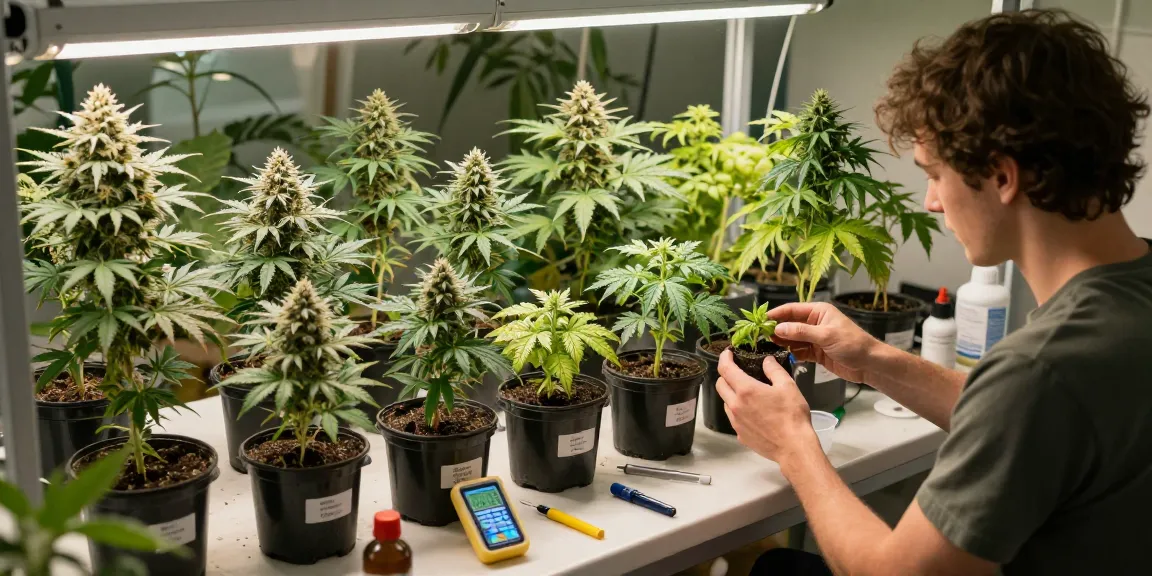
The foundation of any breeding project lies in the selection of parent plants. Breeders should focus on specific attributes such as potency, flavor, and growth characteristics when choosing parent plants. Analyzing the genetic lineage of potential parents can provide insights into the traits that may be inherited by the offspring, ultimately influencing the success of the breeding program.
Cross-Breeding Methods for Desired Traits
There are several cross-breeding methods that breeders can use to achieve desired traits in their cannabis plants. One popular method is backcrossing, where a hybrid offspring is crossed back with one of its parent strains to reinforce desired characteristics. Another technique involves creating F1 hybrids, which can exhibit hybrid vigor, leading to robust and productive plants.
Tools and Resources for Successful Breeding
Breeders can benefit from various tools and resources designed to aid in the breeding process. Genetic testing services can provide insights into the stability and potential characteristics of seeds, while growing journals can help track the performance of different breeding combinations. Additionally, engaging with online communities dedicated to cannabis breeding can provide valuable knowledge and support.
Common Challenges in Cannabis Breeding
Despite the many benefits of cannabis breeding with regular seeds, several challenges can arise during the process. Understanding these challenges can help breeders navigate potential pitfalls and develop viable solutions.
Addressing Gender Imbalance in Breeding
One common challenge in cannabis breeding is managing the gender ratio of plants. Male plants can often outnumber females, leading to unwanted pollen production if not properly controlled. Breeders need to implement strategies to identify and remove male plants at an early stage, thereby safeguarding the integrity of their breeding projects.
Dealing with Plant Health and Genetics Issues
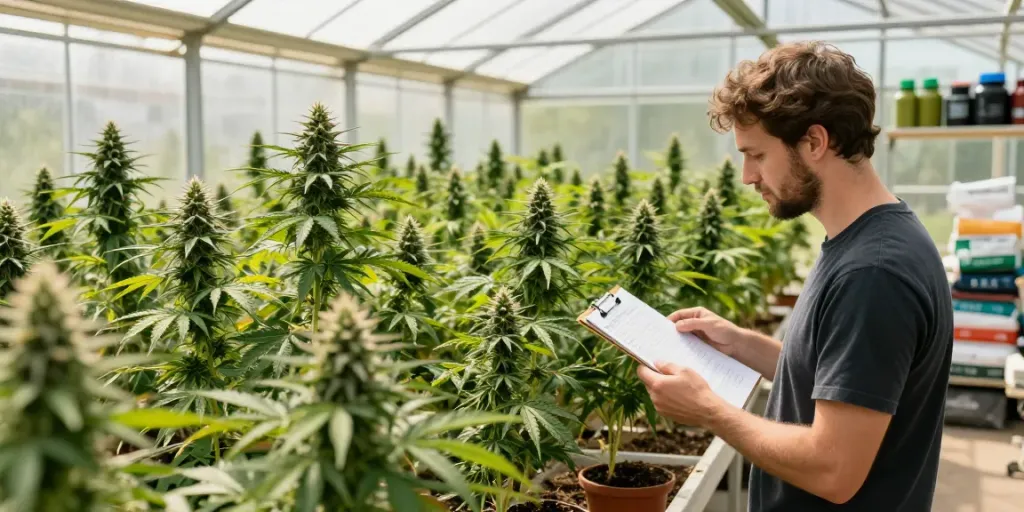
Breeders may encounter various health issues among their plants, which can stem from genetics or environmental factors. Regular monitoring of plant health and implementing integrated pest management practices can mitigate these risks. Moreover, breeders should select for traits associated with resilience against common pests and diseases to improve overall plant health.
Overcoming Environmental Factors Impacting Growth
Environmental factors such as temperature, humidity, and light exposure can significantly impact the growth and development of cannabis plants. By creating optimal growing conditions and selecting for strains that can thrive under specific environmental constraints, breeders can enhance the success of their breeding efforts.
Future Trends in Cannabis Breeding Genetics
As the cannabis industry continues to evolve, so too will the techniques and priorities surrounding cannabis breeding genetics. Keeping abreast of these trends is essential for breeders looking to stay competitive and innovative.
Emerging Techniques and Technologies in 2026
By 2026, advances in genetic editing technologies like CRISPR may offer breeders unprecedented control over cannabis genetics. This evolution could lead to the creation of strains with tailored cannabinoid profiles or disease resistance, fundamentally changing the landscape of cannabis cultivation.
Predictions for Cannabis Breeding Developments
The demand for unique cannabis products is expected to continue growing, prompting breeders to explore untapped genetic resources, including landrace strains and hybrids from lesser-known regions. This exploration will likely unveil new flavors, potencies, and effects, creating a rich tapestry of choices for consumers.
New Challenges and Opportunities in the Industry
As the industry matures, breeders will face evolving regulatory challenges and market demands. Staying informed about potential changes in legislation and consumer preferences will be crucial for adapting breeding strategies and maintaining competitiveness.
FAQs on Cannabis Breeding Genetics
What cannabis breeder has the best genetics?
Determining the "best" cannabis breeder can vary greatly based on personal preferences and specific strain characteristics. However, notable breeders are often recognized for their consistent quality, innovative techniques, and unique strains that resonate with consumers.
How to cross breed cannabis seeds?
Cross-breeding cannabis seeds involves selecting two parent plants with desirable traits, pollinating one with the other, and cultivating the resulting offspring. This process often requires careful monitoring and selection to ensure successful outcomes.
What fertilizers enhance cannabis bud growth?
Fertilizers high in phosphorus and potassium are commonly used to enhance bud growth, particularly during the flowering stage. Many growers also incorporate organic amendments, like compost or worm castings, to enrich the soil and support healthy plant development.
Can regular seeds produce high-quality strains?
Yes, regular seeds can produce high-quality strains, often with more genetic diversity and potential for unique traits compared to feminized seeds. The breeding focus and selection process play a critical role in determining the quality of the final product.
What impact does genetic stability have on growth?
Genetic stability is crucial for consistent growth and performance in cannabis plants. Stable genetics tend to produce reliable characteristics, reducing the risk of unexpected mutations and ensuring that desirable traits are passed on consistently across generations.