

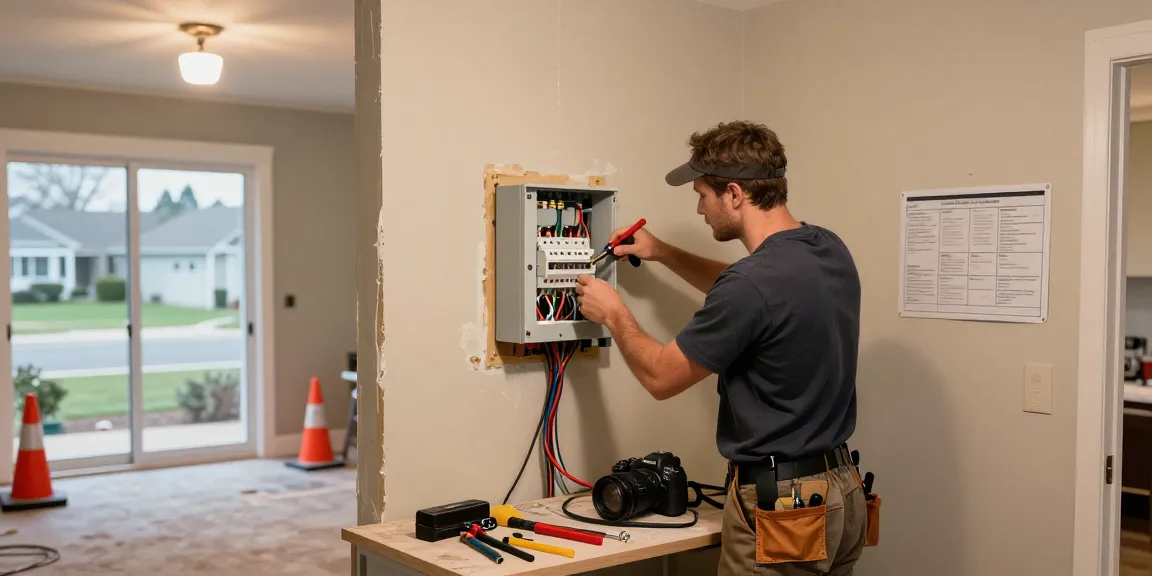
Understanding Electrical Infrastructure
The electrical infrastructure of a home is the backbone of modern living, powering essential appliances, lighting, and technology. As our reliance on electricity grows, so does the need for safe and efficient electrical systems. Upgrading residential electrical infrastructure not only enhances safety but also improves energy efficiency and functionality, making it essential for homeowners to assess their systems regularly. When exploring options, see more details about how to effectively plan an upgrade to your electrical infrastructure.
Importance of Upgrading Residential Electrical Systems
Outdated electrical systems can pose significant safety hazards, such as electrical fires and shock risks. Over time, wear and tear, along with changes in technology and usage patterns, necessitate updates to ensure compliance with safety standards and building codes. An upgrade allows homeowners to support new electrical demands from modern appliances and smart home devices.
- Increased Safety: Modern wiring techniques and materials reduce the risk of electrical fires and other hazards.
- Enhanced Efficiency: Upgraded systems can lower energy consumption, reducing utility bills.
- Improved Functionality: A comprehensive rewire provides more outlets and circuits, accommodating current and future needs.
Key Components of Electrical Infrastructure
Understanding the critical elements of your home’s electrical infrastructure is vital for planning a successful upgrade. These components include:
- Service Panel: This is the heart of your home’s electrical system, distributing electricity to various circuits.
- Circuit Breakers: These devices protect your home from overloads by cutting off electricity when a fault occurs.
- Wiring: This includes the conductors that transmit electricity throughout your home, which may need replacement in older homes.
- Outlets and Switches: These are the points through which electricity is accessed, and improperly placed or outdated ones may need updating.
Current Standards and Regulations
Staying compliant with local electrical codes and standards is essential for safety and legal reasons. Regulations vary by region but generally adhere to guidelines established by national electrical codes (NEC) that are updated frequently to accommodate technological advancements and safety research.
Planning Your Home Rewire
Planning a home rewire can be daunting, but with a structured approach, it can lead to significant improvements in safety and efficiency. Start by evaluating your current electrical needs and budgeting accordingly.
Assessing Your Current Electrical Needs
To begin the planning process, assess your current electrical usage. Identify how many outlets you need, the number of high-demand appliances, and whether you’re interested in integrating smart technology. Understanding household trends—like the increase in telecommuting—can also guide your decisions.
Budgeting for a Complete Home Rewire
Budgeting is a crucial step in the rewire process. Costs can vary widely depending on the size of your home and the complexity of the electrical upgrade. It’s wise to allocate funds for unexpected expenses, as older homes often reveal hidden issues during the rewire process, such as outdated wiring or structural damage.
Choosing the Right Professionals for the Job
Hiring a qualified electrician is vital. Look for professionals with appropriate licensing, insurance, and positive reviews. Engaging with a reputable electrician can also provide insights into the latest technologies and ensure compliance with current standards.
Innovations in Electrical Wiring Technologies
As technology continues to evolve, so does the landscape of residential electrical systems. Innovations in wiring technology are making homes safer, smarter, and more energy-efficient.
Smart Home Integration: Advantages and Trends
Smart home technology is revolutionizing how we consume energy. Integrating smart devices allows homeowners to control lighting, heating, and appliances remotely, leading to greater energy efficiency and convenience. The increasing trend towards automation means that rewiring should include provisions for smart technology compatibility.
Energy Efficiency in Modern Electrical Systems
Modern electrical systems are designed with energy efficiency in mind. Features such as LED lighting, energy-efficient appliances, and smart meters help homeowners track energy use in real-time, allowing for more informed decisions about energy consumption.
Future-Proofing Your Electrical Infrastructure
When upgrading your electrical system, it’s wise to consider future needs. Installing additional outlets, flexible wiring solutions, and provisions for renewable energy sources can help future-proof your home against evolving technology and energy demands.
Safety Considerations During Home Rewiring
Safety should be the top priority when rewiring your home. Understanding potential hazards and following safety best practices can help protect your family and property.
Identifying Hazards Associated with Old Wiring
Older homes may have wiring that is outdated or damaged, increasing the risk of electrical fires and shock. Recognizing common signs such as flickering lights, frequent circuit breaker trips, and burning smells can prompt timely upgrades.
Essential Safety Practices for Homeowners
While rewiring, homeowners should always prioritize safety. This includes turning off the main power supply when working on wiring, using proper safety gear, and ensuring that all work complies with local electrical codes.
Post-Rewire Inspections and Compliance Checks
After completing a rewire, it’s crucial to have the work inspected. A licensed electrician should perform a thorough inspection to ensure everything is compliant with safety standards and local regulations, providing peace of mind for homeowners.
Future Trends in Home Electrical Systems (2026 and Beyond)
The future of home electrical systems promises to be exciting, with advancements in technology and shifts towards sustainable energy practices shaping the landscape.
Emerging Technologies in Electrical Installations
In the coming years, we’ll likely see a rise in technologies such as wireless power transfer and advanced home energy management systems. These innovations will streamline energy use and improve the overall efficiency of home electrical systems.
Adapting to Renewable Energy Sources
As renewable energy sources like solar become more common, homes may need electrical systems that can accommodate these changes. Upgrading to include solar power capabilities or battery storage systems will be essential for future-proofing residential electrical infrastructure.
Market Predictions for Electrical Upgrades
The electrical upgrade market is expected to grow significantly as homeowners become more aware of energy efficiency and safety concerns. With government incentives for energy efficiency and sustainability, many homeowners are likely to consider upgrades sooner than later.
What are the benefits of re-wiring my home?
Rewiring offers numerous benefits, including improved safety, energy efficiency, and the ability to support modern electrical needs.
How can I find a qualified electrician?
To find a qualified electrician, check local reviews, ask for recommendations, and verify licenses and insurance.
What are the signs that my electrical system needs an upgrade?
Common signs include flickering lights, frequent breaker trips, and warm outlets.
How can smart technology enhance my home electrical system?
Smart technology can improve efficiency, convenience, and energy management in homes.
What regulations should I be aware of for electrical upgrades?
Homeowners should familiarize themselves with local building codes and electrical standards to ensure compliance during upgrades.


